
Chưa phân loại
Paper Straws in Nuremberg: Christmas Markets, Bratwurst, and Bavarian Tradition
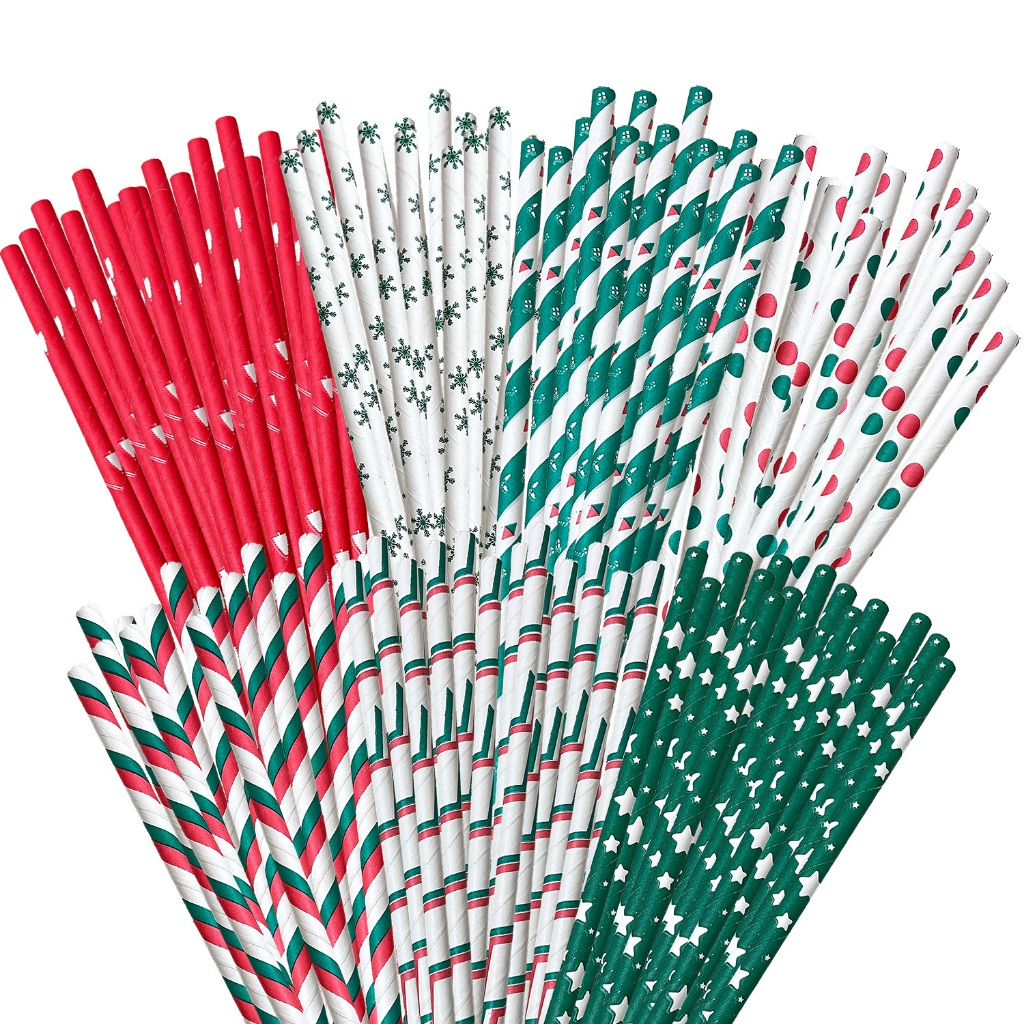
Nuremberg’s global reputation rests heavily on two iconic traditions: its famous Nürnberger Rostbratwurst and the sprawling Christkindlesmarkt, one of the world’s most renowned Christmas markets, drawing roughly two million visitors each holiday season. This distinctive combination of year-round traditional food culture and massive seasonal tourism created a particular story for how the city navigated Germany’s paper straw ban.
Nuremberg’s vendors followed the same nationwide deadline detailed in our related article on paper straws Germany.
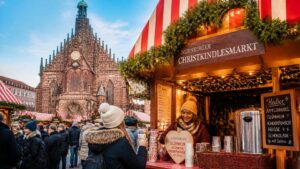
The Christkindlesmarkt: A Seasonal Straw Case Study
Nuremberg’s Christmas market, held annually in the historic city center since the 16th century, generates enormous seasonal demand for hot beverages, particularly the region’s famous Glühwein (mulled wine) and Kinderpunsch (children’s non-alcoholic punch). Similar to Dresden’s Christmas market experience, Nuremberg’s vendors faced a concentrated seasonal surge in beverage packaging needs each December, requiring advance planning distinct from typical year-round operations.
Nuremberg Christmas Market Beverage Service
| Beverage | Typical Serving Format | Straw Requirement |
|---|---|---|
| Glühwein (mulled wine) | Ceramic or glass mug | None — traditionally sipped directly |
| Kinderpunsch (children’s punch) | Cup, sometimes with lid | Paper straw common |
| Hot chocolate | Cup | Occasionally, for children |
| Soft drinks | Cup or bottle | Paper straw when requested |
Bratwurst Culture and Minimal Straw Dependency
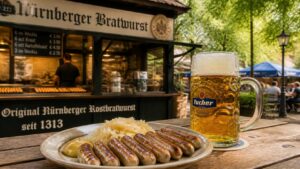
Nuremberg’s signature culinary export, the small Nürnberger Rostbratwurst traditionally served “drei im Weckla” (three in a bun), reflects a broader Franconian food culture built around simple, direct food and drink service that has historically had minimal straw dependency. Traditional bratwurst stands throughout the city, including those found in the historic Altstadt, generally serve beer or soft drinks in bottles or simple cups, meaning the practical impact of the straw ban on this iconic culinary tradition remained limited.
Franconian Beer Culture
As part of Franconia, a distinct cultural region within Bavaria with its own strong beer-brewing tradition separate from Munich’s more internationally recognized Bavarian beer culture, Nuremberg’s numerous traditional breweries and beer gardens follow serving customs similar to those found throughout southern Germany, with beer served in glass steins or mugs without straws, keeping the region’s core beverage tradition largely unaffected by the national ban.
Toy Fair and Trade Show Catering
Nuremberg hosts significant international trade fair activity, including the renowned Nuremberg International Toy Fair (Spielwarenmesse), one of the world’s largest toy industry trade events. Catering services for these major international exhibitions adapted to paper straw requirements in ways similar to trade fair catering patterns seen in Frankfurt and Stuttgart, given the professional, internationally-attended nature of these business events.
Historic Old Town Tourism
Nuremberg’s well-preserved medieval Altstadt, featuring the Nuremberg Castle and city walls, draws substantial tourist traffic throughout the year beyond just the Christmas market season. Restaurants and cafés throughout this historic district generally prioritized visible, professional compliance with the straw ban, similar to patterns observed in Dresden’s tourism-dependent hospitality sector, given the steady flow of international visitors exploring the city’s medieval architecture.
Documentation Center and Cultural Tourism
Nuremberg’s historical significance as the site of the Nazi party rally grounds and the Nuremberg Trials has made the city an important destination for historical and educational tourism, with the Nuremberg Documentation Center and related sites drawing visitors interested in this difficult chapter of German history. F&B venues serving this segment of educational tourism generally followed standard national compliance timelines for the straw transition, without any notably distinct adaptation pattern compared to the city’s broader tourism sector.
Comparing Nuremberg to Munich and Dresden
Nuremberg’s paper straw story shares clear similarities with both Munich’s beer-culture-minimized straw dependency and Dresden’s Christmas market seasonal surge pattern, making the city something of a bridge between these two distinct German adaptation stories — traditional Bavarian-adjacent beverage culture combined with a globally significant seasonal tourism event.
Frequently Asked Questions
Does Nuremberg’s Christmas market require paper straws for Glühwein? No — Glühwein is traditionally served in ceramic or glass mugs meant to be sipped directly, without straws, similar to beer and wine traditions throughout Germany.
How does bratwurst culture in Nuremberg relate to the straw ban? Traditional bratwurst stands generally serve beverages in bottles or simple cups, meaning this iconic culinary tradition had minimal straw dependency even before the ban took effect.
Did Nuremberg’s trade fair industry face unique straw ban challenges? Catering for major events like the Nuremberg International Toy Fair adapted similarly to trade fair catering patterns seen in other German business-event cities like Frankfurt and Stuttgart.
A City Where Tradition Absorbed the Change
Nuremberg’s experience with Germany’s paper straw ban illustrates how deeply traditional food and drink culture — from bratwurst stands to Franconian beer gardens to mug-served Glühwein — can naturally minimize the practical impact of packaging regulations focused on straws specifically. While the city’s massive seasonal Christmas market required genuine logistical planning around paper straw supply, Nuremberg’s everyday culinary traditions largely absorbed the national transition with the same steady, unhurried character that has defined the city’s historic old town for centuries.