
Chưa phân loại
Paper Straws in Dresden: Baroque Splendor Meets Modern Sustainability

Dresden, often called the “Florence of the Elbe” for its stunning baroque architecture, occupies a unique place among German cities — a heavily reconstructed historic center rebuilt after wartime destruction, now drawing millions of tourists annually to landmarks like the Frauenkirche and Zwinger Palace. This tourism-heavy identity shaped a distinctive story for the city’s transition to paper straws.
For the full regulatory background behind this nationwide shift, see our related article on paper straws Germany.
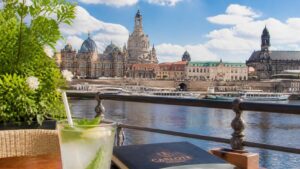
Tourism-Driven Hospitality Standards
Dresden’s historic Altstadt (old town), reconstructed painstakingly over decades following its near-total destruction in World War II, hosts a dense concentration of restaurants and cafés catering primarily to domestic and international tourists visiting the city’s landmark baroque architecture. This tourism-dependent hospitality sector generally prioritized visible, consistent compliance with the straw ban well ahead of the 2021 deadline, recognizing that international visitors — particularly from other EU countries already familiar with the regulation — would likely notice any lapses.
Dresden’s Key Tourist Districts and Straw Adoption
| District | Tourist Volume | Straw Adoption Pace |
|---|---|---|
| Altstadt (historic center) | Very high | Fast, tourism-driven |
| Neustadt (alternative quarter) | Moderate, growing | Grassroots, community-driven |
| Elbe riverside promenade | High, especially summer | Fast, visible compliance |
| Blaues Wunder area | Moderate, local-focused | Standard timeline |
The Neustadt Contrast
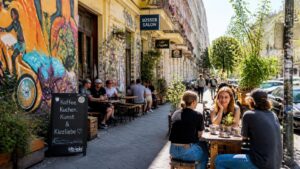
While Dresden’s Altstadt caters heavily to tourism, the nearby Äußere Neustadt district has developed a reputation as the city’s alternative, creative quarter, featuring independent bars, cafés, and a younger, more bohemian resident population. This district’s approach to the straw ban shares more in common with Leipzig’s grassroots creative culture than with the tourism-driven compliance patterns seen in Dresden’s historic center, reflecting the neighborhood’s distinctly different character just a short walk from the baroque landmarks that define the city’s global image.
Elbe Riverside Café Culture
Dresden’s picturesque Elbe riverside promenade, offering views of the city’s restored skyline, hosts numerous cafés and beer gardens that draw both tourists and locals, particularly during Dresden’s warmer months. These riverside establishments generally adopted paper straws early and visibly, given their high tourist visibility and the broader tendency of Dresden’s tourism-facing hospitality sector to prioritize consistent, professional compliance with national regulations.
Semperoper and Cultural Institution Catering
Dresden’s world-renowned Semperoper opera house and surrounding cultural institutions host significant event catering throughout the year, serving an audience that includes substantial international visitors attending performances and cultural events. Catering services associated with these institutions generally aligned with the city’s broader tourism-sector approach, treating straw ban compliance as consistent with the polished, high-standard hospitality expected around Dresden’s premier cultural venues.
Reconstruction Culture and Modern Sustainability
Dresden’s decades-long project of painstakingly reconstructing its historic architecture using traditional methods and materials has fostered a citywide culture that takes considerable pride in careful, thoughtful restoration and preservation. Some local business owners have drawn informal parallels between this broader civic ethos and the city’s approach to modern sustainability initiatives, framing careful attention to environmental packaging choices as consistent with Dresden’s deeper cultural value of thoughtful stewardship over its physical and cultural heritage.
Christmas Market Season in Dresden
Dresden hosts one of Germany’s oldest Christmas markets, the Striezelmarkt, dating back to 1434, drawing substantial seasonal tourist crowds each winter. Similar to Karneval’s impact on Cologne, this major seasonal event creates a concentrated surge in beverage service — particularly mulled wine (Glühwein) and hot beverages — requiring market vendors to plan for increased paper straw and cup demand during the market’s roughly four-week December run, though Glühwein itself, like beer and wine elsewhere in Germany, is traditionally served in mugs without straws.
Frequently Asked Questions
Did Dresden’s tourism industry face special requirements for the straw ban? No special requirements beyond the national mandate, though the city’s tourism-dependent hospitality sector generally prioritized fast, visible compliance given high international visitor traffic.
How does the Neustadt district differ from Dresden’s historic center in its approach? The alternative Äußere Neustadt district reflects a more grassroots, community-driven culture similar to Leipzig, contrasting with the tourism-focused compliance patterns seen in Dresden’s baroque Altstadt.
Does Dresden’s Christmas market use paper straws? Vendors at the Striezelmarkt source paper straws and cups for hot beverage service, though the market’s signature Glühwein, like beer and wine elsewhere in Germany, is traditionally served in mugs without straws.
A City of Restoration and Renewal
Dresden’s paper straw story fits naturally within the city’s broader narrative of careful restoration and renewal following historic destruction. Just as the city has spent decades meticulously rebuilding its baroque skyline, Dresden’s tourism-focused hospitality sector approached its modern sustainability transition with similar attention to detail and presentation — ensuring that visitors experiencing the city’s restored architectural splendor would also encounter a hospitality industry keeping pace with Germany’s broader environmental commitments.