
Chưa phân loại
Paper Straws in Munich: Bavarian Beer Culture Meets EU Regulation
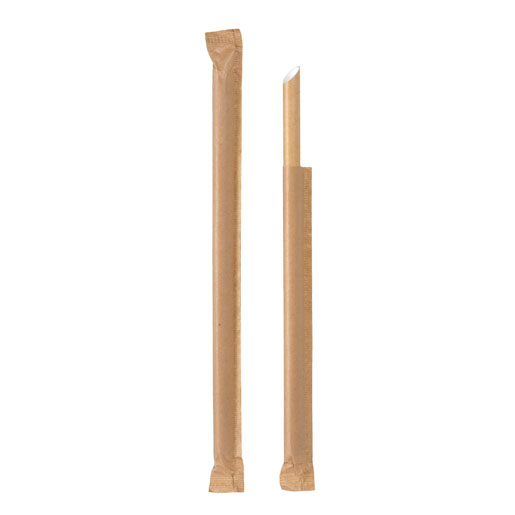
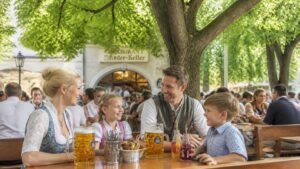
Munich’s identity is inseparable from beer — from the sprawling beer gardens of the English Garden to the iconic tents of Oktoberfest that draw millions of visitors each autumn. In a city where beer is traditionally served in glass steins rather than cups with straws, the EU’s plastic straw ban created a somewhat different adaptation story than in cities with heavier straw-dependent beverage cultures.
For full details on the EU regulation behind this nationwide change, see our related article on paper straws Germany.
Why Munich’s Beer Culture Minimizes Straw Dependency
Traditional Bavarian beer service centers on glass steins and mugs, a serving format that has never relied on straws. This cultural foundation meant Munich’s most iconic beverage tradition was largely unaffected by the ban, unlike cities where cocktail culture or iced coffee consumption created heavier straw reliance.
Where Munich Still Needed Paper Straws
- Soft drink and juice service, particularly for children at beer gardens and family restaurants
- Iced coffee and specialty beverages at Munich’s growing café scene
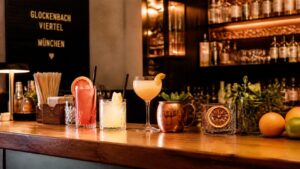
- Cocktail bars in the city center, particularly around Maxvorstadt and Glockenbachviertel
- Oktoberfest tents serving non-alcoholic beverages alongside traditional beer service
Oktoberfest: A Unique Case Study
Munich’s Oktoberfest, drawing over six million visitors annually across its roughly two-week run, presented a particularly interesting test case for Germany’s straw ban given the event’s massive beverage volume. While beer itself remains stein-served without straws, the festival’s substantial soft drink and Radler (beer mixed with lemonade) sales required tent operators to source paper straws at a scale few other single events in Germany demand.
Oktoberfest Beverage Service Overview
| Beverage Type | Straw Requirement | Typical Serving Format |
|---|---|---|
| Beer (Bier) | None | Glass stein |
| Radler (beer-lemonade mix) | Sometimes, for lemonade portion | Glass stein or mug |
| Soft drinks (children/non-drinkers) | Yes, paper straw standard | Cup or glass |
| Apfelschorle (apple spritzer) | Occasionally | Glass |
Traditional Beer Gardens and the Transition
Munich’s historic beer gardens, some dating back centuries, generally experienced a smooth transition to the paper straw requirement, largely because straws were never central to their core beer-drinking traditions in the first place. Beer garden operators reported the ban’s practical impact was concentrated almost entirely on their smaller non-alcoholic and children’s beverage menus rather than requiring any fundamental change to their primary business.
Munich’s Growing Café and Cocktail Scene
Beyond its beer culture, Munich has developed an increasingly prominent specialty coffee and cocktail bar scene in recent years, particularly in neighborhoods like Glockenbachviertel and Maxvorstadt. These newer, design-conscious venues adapted to paper straws in ways closely resembling trends in other major European cities, often incorporating sustainability messaging into their broader brand identity well beyond the minimum legal requirement.
Bavarian Business Culture and Regulatory Compliance
Bavaria has historically maintained a reputation for orderly, thorough regulatory compliance within German business culture, and Munich’s hospitality sector broadly reflected this pattern during the straw ban rollout, with relatively few reported compliance issues compared to some other regions. Local business associations reportedly provided early guidance to Munich’s many family-run beer gardens and traditional restaurants ahead of the July 2021 deadline, helping ease the transition for smaller, less digitally connected operators.
Tourist Expectations at Munich’s Beer Halls
International visitors flocking to Munich’s famous beer halls, including the Hofbräuhaus, generally encounter minimal straw-related interaction given the city’s stein-centered beer culture, meaning most tourists’ direct experience with Germany’s straw regulations comes through soft drink orders or café visits rather than their primary beer garden experience.
Frequently Asked Questions
Does Munich’s beer garden culture use straws? Rarely — traditional Bavarian beer is served in glass steins without straws, meaning the city’s core beer culture was largely unaffected by the ban.
How did Oktoberfest handle the paper straw requirement? Tent operators sourced paper straws primarily for soft drink and children’s beverage service, given that beer itself remains stein-served without straws.
Are paper straws common in Munich’s café scene? Yes — the city’s growing specialty coffee and cocktail bar scene has adopted paper straws consistently, similar to trends seen in other major European cities.
Regional Pride and Environmental Compliance
Bavaria’s strong regional identity, often expressed through pride in local tradition and craftsmanship, extended in an interesting way to how Munich’s hospitality sector discussed the straw ban publicly. Rather than framing the change as an externally imposed EU requirement, many local business owners and trade publications emphasized Bavaria’s own long-standing environmental stewardship traditions, including its alpine conservation culture, as a more locally resonant frame for the transition.
A City Where Tradition Simplified the Transition
Munich’s experience with Germany’s paper straw ban illustrates how deeply rooted cultural drinking traditions can shape regulatory impact in unexpected ways. With beer — the city’s defining beverage — never dependent on straws to begin with, Munich’s hospitality industry faced a comparatively gentle adaptation, concentrated mainly on its smaller, non-alcoholic beverage offerings rather than requiring any fundamental change to the Bavarian drinking traditions that define the city’s global reputation.