
AI News
Global Paper Straw Market 2026: Key Drivers, Market Size, Trends, and Strategic Outlook
Executive Summary
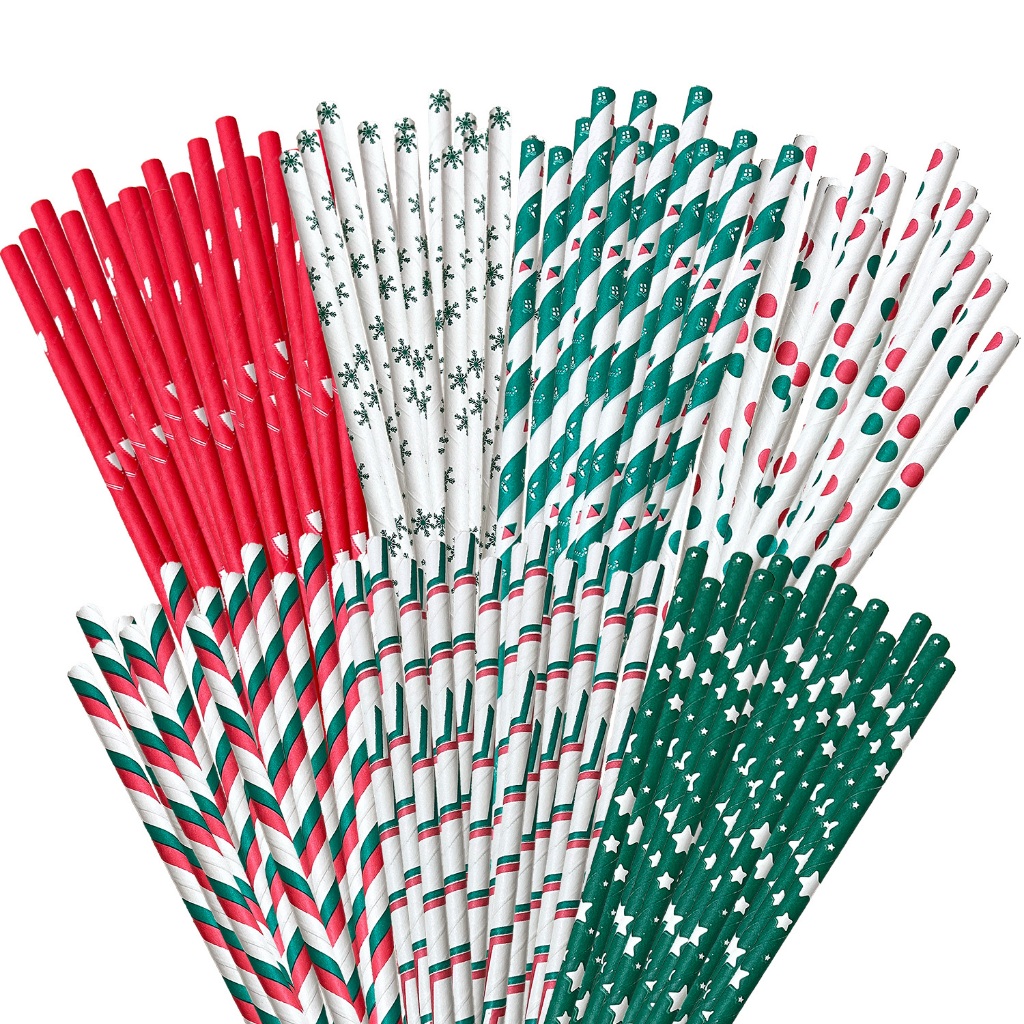
The global paper straw market has transitioned from a niche regulatory response into a core pillar of the sustainable food service packaging industry. Projected to reach $2.8 billion to $3.4 billion in 2026, the market is expanding at a robust Compound Annual Growth Rate (CAGR) of over 13%–15%.
Driven by widespread single-use plastic bans, tightening environmental social governance (ESG) mandates, and rapid advancements in water-resistant paper coatings, paper straws are redefining consumer beverage experiences worldwide.
Market Snapshot & Key Metrics
| Indicator | 2026 Estimate / Projection |
| Global Market Value | $2.8B – $3.4B USD |
| Anticipated CAGR (2026–2030+) | ~13.2% – 15.6% |
| Dominant Material Type | Virgin Paper (~60%+ share) vs. Recycled Paper (Fastest growing) |
| Primary End-User | Food Service & Quick Service Restaurants (QSRs) (~48%–63%) |
| Leading Regional Market | North America & Europe (Largest Share) |
| Fastest-Growing Region | Asia-Pacific (Driven by urban QSR expansion & eco-policies) |
Major Drivers Accelerating Market Growth
       [Regulatory Bans on Single-Use Plastics]
                          │
                          ▼
 ┌─────────────────────────────────────────────────┐
 │       GLOBAL PAPER STRAW MARKET GROWTH          │
 └─────────────────────────────────────────────────┘
      ▲                                       ▲
      │                                       │
[QSR & Hospitality Expansion]    [Corporate ESG & Eco-Branding]
1. Stringent Regulatory Bans on Plastics
Governments across Europe, North America, India, and East Asia have institutionalized strict bans on single-use plastic cutlery and straws. Compliance mandates force fast-food operators and beverage brands to immediately adopt biodegradable alternatives.
2. Rapid Expansion of Quick-Service Restaurants (QSRs) & Takeaway Culture
The booming global market for cold beverages—including iced coffees, bubble teas, smoothies, and craft sodas—has kept daily straw consumption high. Quick-service restaurants and takeaway channels account for over half of global unit turnover.
3. Corporate ESG Mandates & Custom Branding
Beverage brands increasingly view custom-printed paper straws as a branding tool rather than just a cost center. Highlighting organic inks, natural aesthetic finishes, and custom logos allows businesses to communicate their sustainability commitment directly to eco-conscious consumers.
Market Segmentation Analysis
By Material
-
Virgin Grade Paper: Holds the majority market share (~60%+) due to its structural stability, food-safe compliance, and liquid resistance without immediate softening.
-
Recycled Paper: Anticipated to record the highest CAGR as manufacturers optimize cleaning processes and consumer demand grows for circular-economy solutions.
By Product Type & Design
-
Non-Printed (Standard Plain): Dominates high-volume, cost-sensitive procurement contracts across major food service networks.
-
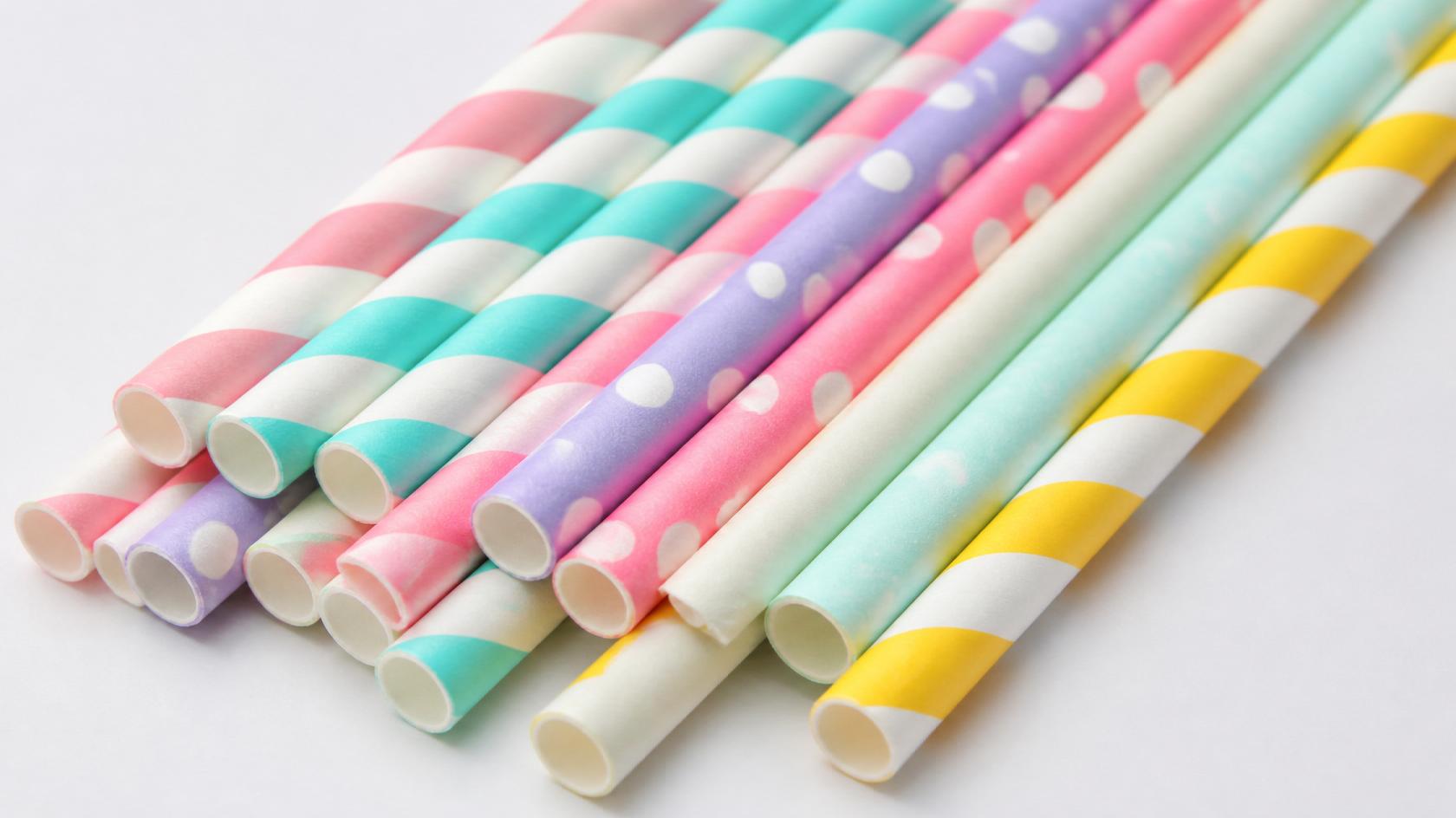
Printed & Branded Straws: Experiencing double-digit growth as restaurants leverage customized aesthetics for social media engagement and brand differentiation.
-
Specialty Straws (U-Shaped & Wide Diameter): Growing fast due to packaged juice box applications (U-shaped) and the popularity of boba/bubble tea (wide diameter).
Key Industry Trends Shaping 2026
1. Functional Performance Improvements
Early-generation paper straws were criticized for soggy textures and altered beverage tastes. Today, manufacturers use multi-ply paper layers combined with natural, non-toxic water-resistant coatings to maintain structural integrity in cold and acidic drinks for up to 3–4 hours.
2. Elimination of PFAS & Chemical Scrutiny
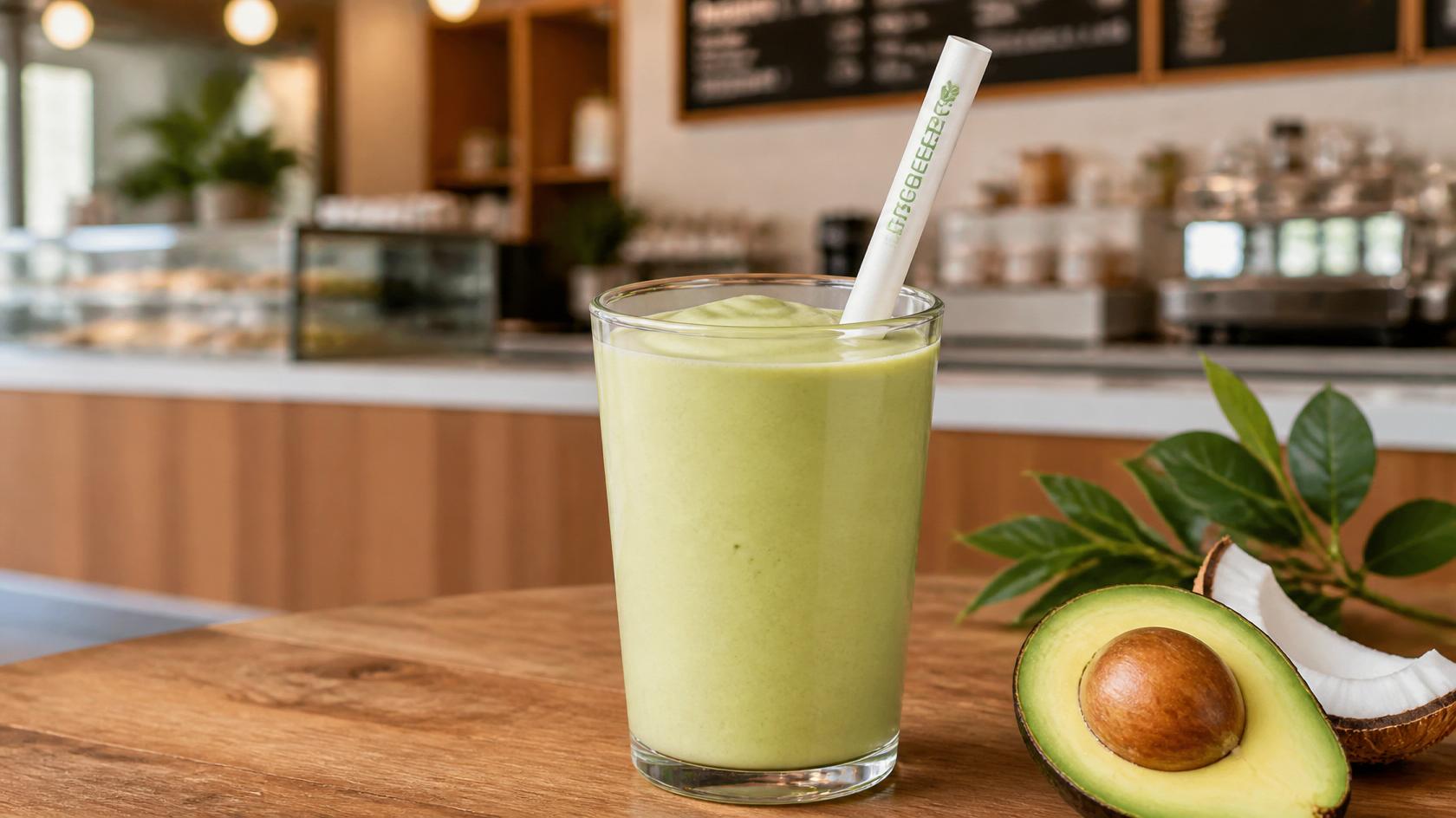
rcing manufacturers to certify products as PFAS-free, compostable, and plastic-coating-free. Third-party eco-certifications (e.g., FSC certified, OK Compost) are becoming essential table stakes for B2B supply contracts.
3. Localization of Supply Chains
To reduce long-distance shipping emissions and dodge supply chain disruptions, regional manufacturing hubs are springing up across North America, Europe, and Southeast Asia.
Key Restraints & Industry Challenges
-
Higher Unit Costs: High-quality paper straws remain significantly more expensive per unit compared to traditional petroleum-based plastic straws, pressing margins for small independent cafes.
-
Fiber Raw Material Volatility: Fluctuation in pulp and paper raw material prices can directly impact manufacturing margins.
-
Alternative Bio-materials: Competition is rising from alternative eco-friendly materials such as bamboo, PLA (polylactic acid), wheat, and agave fibers.
Strategic Recommendations for B2B Stakeholders
-
Invest in Coating Innovation: Prioritize R&D in plant-based, hydrophobic coatings that enhance liquid durability without compromising industrial or home compostability.
-
Diversify Product Catalog: Expand product offerings into niche, high-growth segments such as wide-diameter boba straws and flexible U-shaped straws for beverage carton packaging.
-
Obtain Rigorous Sustainability Certifications: Secure clear certifications (FSC, PFAS-free, ASTM D6400 / EN 13432 compostability) to streamline vendor onboarding with major corporate buyers.