
Chưa phân loại
Paper Straws in Cologne: Carnival Crowds and Cathedral City Sustainability

Cologne, home to Germany’s tallest cathedral and one of Europe’s largest carnival celebrations, presents a distinctive combination of massive seasonal crowd events and everyday café culture along the Rhine River. This mix created a particularly interesting adaptation story for the city’s paper straw transition, one shaped as much by Karneval’s unique demands as by the steady rhythms of daily riverside life.
Cologne’s businesses followed the same nationwide deadline covered in our broader article on paper straws Germany.
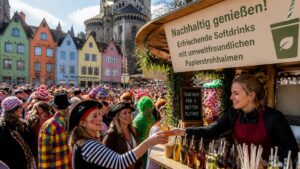
Karneval: Germany’s Biggest Beverage Stress Test
Cologne’s Karneval season, culminating in the massive street celebrations of Rosenmontag (Rose Monday), draws enormous crowds and correspondingly enormous beverage consumption across the city’s bars, street stalls, and outdoor celebration areas. Few events in Germany create as concentrated a demand for disposable drinkware — including straws — within such a short window.
Karneval Beverage Service by the Numbers
| Factor | Karneval Impact |
|---|---|
| Typical event duration | Roughly one week of intense celebration |
| Peak day crowd size | Hundreds of thousands along parade routes |
| Beverage stall density | Extremely high along celebration routes |
| Straw demand surge | Significant increase over typical weekly usage |
How Cologne’s Karneval Vendors Adapted
Street vendors and temporary bar operators along Cologne’s carnival parade routes faced unique logistical pressure to source sufficient paper straw stock for the massive, concentrated demand of Karneval week. Some vendors reported working with suppliers to secure advance bulk orders specifically timed around the carnival calendar, treating straw procurement as a distinct seasonal planning consideration separate from their regular year-round operations.
Cologne’s Rhine Riverside Café Culture
Beyond Karneval, Cologne’s everyday café and bar scene, particularly along the Rhine promenade and in neighborhoods like Ehrenfeld and the Belgian Quarter (Belgisches Viertel), reflects broader German café sustainability trends, with paper straws integrated smoothly into daily beverage service well before the carnival season tests the city’s supply chains each year.
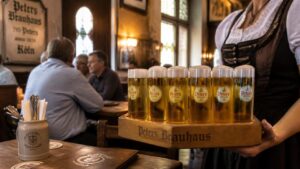
Kölsch Beer Culture and Straw-Free Traditions
Much like Munich’s beer culture, Cologne’s signature Kölsch beer — traditionally served in small, distinctive cylindrical glasses called Stangen — has never relied on straws as part of its serving tradition. This means, similar to Bavaria’s beer garden culture, Cologne’s most iconic beverage tradition remained largely unaffected by the straw ban, with the practical impact concentrated primarily on soft drinks, cocktails, and specialty coffee service.
Cathedral Tourism and Visitor Expectations
Cologne Cathedral (Kölner Dom), one of Germany’s most visited landmarks, draws millions of international tourists annually, many of whom pass through nearby cafés and restaurants in the historic city center. This tourist traffic has generally reinforced consistent paper straw adoption among businesses catering to visitors, given that most international tourists — particularly those from other EU countries — already expect paper straws as a baseline standard following the bloc-wide ban.
Comparing Cologne’s Approach to Other German Cities
Cologne’s experience shares similarities with Munich’s beer-culture-driven straw story, detailed in our related article on Bavarian hospitality traditions, while its Karneval-driven demand surges create logistical challenges more comparable to Hamburg’s Reeperbahn nightlife district than to quieter, less event-driven German cities.
Local Business Associations and Compliance Support
Cologne’s chamber of commerce and hospitality trade associations provided guidance to local businesses ahead of the July 2021 national deadline, with particular attention paid to the city’s many small, family-run Kölsch breweries and traditional beer houses (Brauhäuser) that make up a significant part of the city’s hospitality identity. This support helped ensure relatively smooth compliance across a hospitality sector heavily weighted toward smaller, independent operators rather than large chains.
Frequently Asked Questions
Does Kölsch beer service in Cologne require straws? No — Kölsch is traditionally served in small glass Stangen without straws, meaning the city’s signature beer tradition was largely unaffected by the national ban.
How did Cologne’s Karneval season affect paper straw demand? The week-long celebration creates a significant, concentrated surge in beverage service and straw demand, requiring vendors to plan seasonal bulk procurement well ahead of the event.
Are paper straws common in Cologne’s everyday café scene? Yes — cafés along the Rhine promenade and in neighborhoods like Ehrenfeld and the Belgian Quarter have integrated paper straws smoothly into daily beverage service.
Preparing for the Next Karneval Season
Following the initial 2021 transition, Cologne’s vendor community has continued refining seasonal procurement practices year over year, with several long-standing carnival suppliers now treating paper straw sourcing as a standard line item in their annual planning checklist alongside costumes, decorations, and traditional carnival confetti — a sign of how thoroughly the regulatory change has become embedded in the city’s institutional memory of how to run a successful Karneval season.
A City Balancing Tradition and Seasonal Extremes
Cologne’s paper straw story reflects a city defined by both steady daily rhythms and occasional periods of overwhelming celebration. While Kölsch beer culture kept the straw ban’s day-to-day impact relatively modest, Karneval week reveals just how demanding Germany’s largest seasonal celebrations can be on sustainable packaging supply chains — a challenge Cologne’s vendors have learned to plan for as carefully as they plan the celebration itself.