
Chưa phân loại
Paper Straws in Düsseldorf: Fashion, Japanese Culture, and Corporate Sustainability
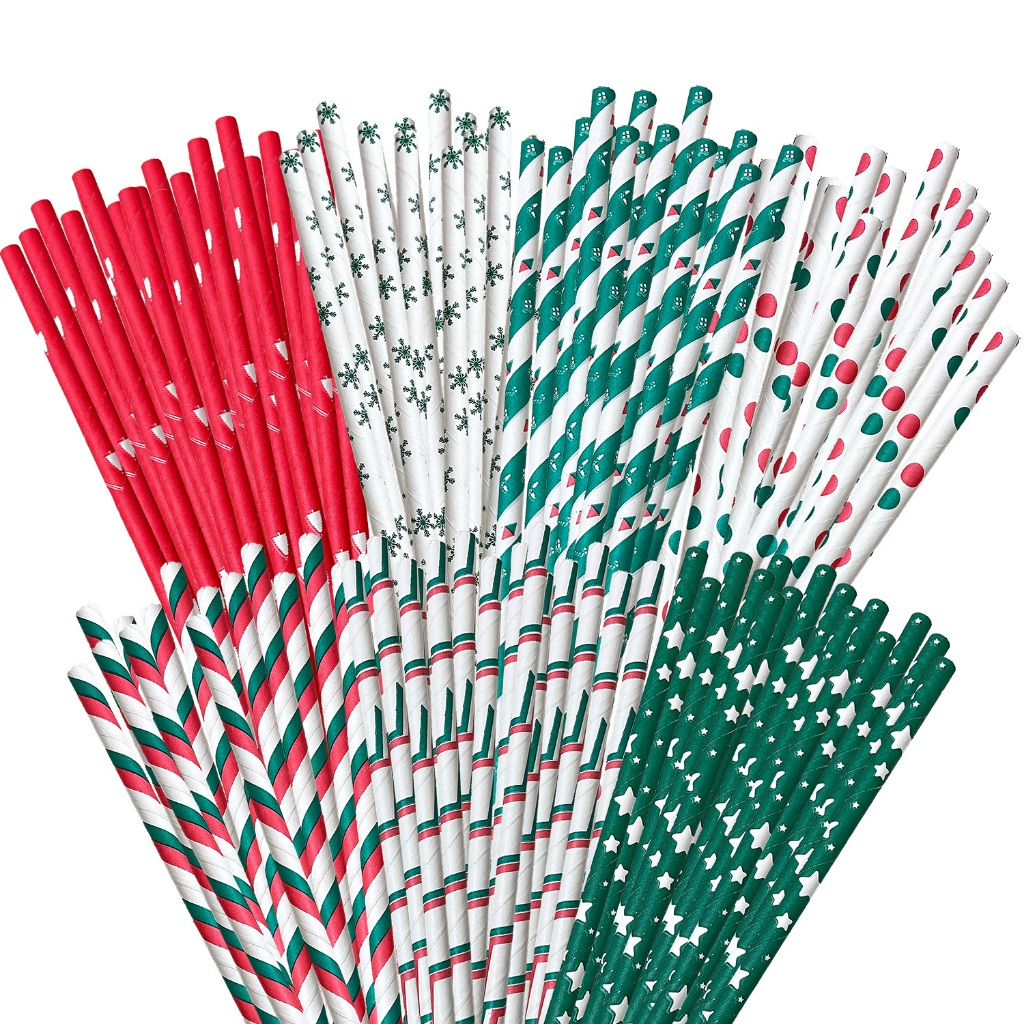
Düsseldorf occupies a distinctive niche among German cities — a fashion and design capital, home to Europe’s largest Japanese community outside Japan, and a significant corporate business hub along the Rhine. This unusual combination created a genuinely unique adaptation story as the city transitioned to paper straws under Germany’s national ban.
Like every other German city, Düsseldorf’s transition followed the same nationwide deadline explained in our related article on paper straws Germany.
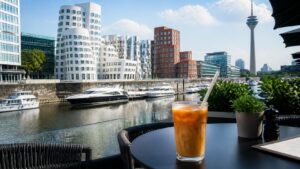
Düsseldorf’s Layered Identity
Unlike cities defined by a single dominant cultural or economic identity, Düsseldorf’s straw ban story unfolded across several distinct, overlapping communities:
- Königsallee (“Kö”) fashion district — upscale boutiques and cafés catering to fashion-conscious shoppers
- Japanese Quarter (Little Tokyo) — one of Europe’s largest concentrations of Japanese restaurants and businesses
- Medienhafen — modern corporate media and business district along the Rhine
- Altstadt (Old Town) — traditional beer culture, home to Düsseldorf’s famous Altbier
Little Tokyo’s Distinctive Beverage Culture
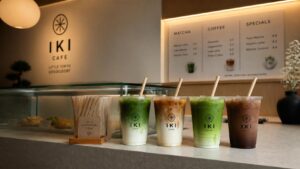
Düsseldorf’s Japanese Quarter, home to one of Europe’s largest Japanese expatriate communities, brought a distinctive beverage service tradition to the city’s straw ban adaptation story. Japanese restaurants and cafés in this district often serve beverages like iced matcha, bubble tea, and traditional Japanese soft drinks that rely more heavily on straws than typical German beverage service, creating a segment of Düsseldorf’s F&B scene with straw usage patterns closer to those seen in East Asian cities than in traditional German establishments.
Comparing Beverage Straw Dependency Across Düsseldorf
| District/Culture | Straw Dependency | Primary Beverage Type |
|---|---|---|
| Altstadt (Altbier culture) | Low | Traditional beer, served in small glasses |
| Königsallee fashion district | Moderate | Specialty coffee, juice bars |
| Japanese Quarter | High | Bubble tea, iced matcha, Japanese sodas |
| Medienhafen corporate district | Moderate | Office coffee, business lunch beverages |
Altbier Tradition in the Old Town
Much like Kölsch in nearby Cologne, Düsseldorf’s signature Altbier is traditionally served in small, distinctive glasses without straws, meaning the city’s historic beer culture in the Altstadt remained largely unaffected by the national straw ban — consistent with patterns seen across most of Germany’s traditional beer-drinking cities.
Fashion District Café Culture
The Königsallee, Düsseldorf’s premier shopping boulevard, hosts numerous upscale cafés and juice bars catering to fashion-conscious shoppers and tourists visiting the city’s luxury retail scene. These establishments generally embraced paper straws as a natural extension of their premium branding, similar to trends observed in upscale shopping districts in other major cities, treating sustainable packaging as consistent with an image-conscious, design-forward customer base.
Medienhafen’s Corporate Sustainability Culture
Düsseldorf’s Medienhafen district, home to modern media, telecommunications, and corporate offices along the redeveloped harbor area, generally saw smooth corporate-driven compliance with the straw ban, following patterns similar to Frankfurt’s banking district, where formal procurement processes and corporate ESG commitments made regulatory compliance a straightforward administrative matter.
Japanese Business Community’s Sustainability Expectations
Given Japan’s own significant experience with plastic reduction initiatives and packaging regulations, Düsseldorf’s substantial Japanese business and resident community generally arrived with sustainability expectations well-aligned with Germany’s straw ban requirements, creating minimal cultural friction around the transition despite the community’s distinctive straw-dependent beverage traditions.
Frequently Asked Questions
Why does Düsseldorf’s Japanese Quarter have higher straw dependency than other parts of the city? Japanese restaurants and cafés in this district serve beverages like bubble tea and iced matcha that traditionally rely more heavily on straws than typical German beverage service.
Does Düsseldorf’s Altbier tradition require straws? No — like Cologne’s Kölsch, Altbier is traditionally served in small glasses without straws, consistent with German beer culture broadly.
How did Düsseldorf’s fashion district adapt to the straw ban? Cafés and juice bars along the Königsallee generally embraced paper straws smoothly, treating sustainable packaging as consistent with their premium, design-forward branding.
Retail Sustainability Along the Kö
Beyond cafés, the Königsallee’s luxury retail stores have increasingly incorporated sustainability messaging into their broader customer experience, and several boutique-adjacent cafés and lounges have used their straw ban compliance as one small element within more comprehensive brand sustainability narratives aimed at an image-conscious, affluent shopping clientele. Some high-end retailers have gone further, partnering with cafés inside their flagship stores to ensure consistent sustainable packaging across the entire in-store customer experience, from fitting room refreshments to in-store lounge service.
A City of Distinct Adaptation Stories
Düsseldorf’s paper straw transition reflects the city’s unusually layered identity, where traditional German beer culture, high-fashion retail, corporate business districts, and one of Europe’s largest Japanese communities each brought distinct beverage traditions and expectations to the same national regulatory deadline. Few German cities illustrate as clearly how a single nationwide policy can play out in genuinely different ways depending on the specific cultural and commercial context of each neighborhood it touches.